Fentanyl was first synthesized in the 1950s as an effective pain treatment tool. It is still commonly used for medical purposes among patients in need of strong pain management, often following surgery or when other painkillers do not provide enough relief. Fentanyl can be injected or taken orally, but the most common form of this medication is the transdermal patch. A fentanyl patch slowly releases medication into the patient’s bloodstream through the skin, lasting up to three days.
[/mpc_icon_column]Dangers of Fentanyl Abuse
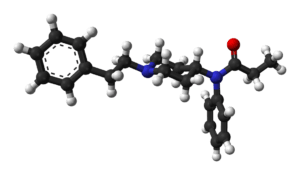 When someone abuses fentanyl, they inject, swallow, or snort the drug, providing a dangerously large rush of a drug that was meant to last several days. Added to the danger of this drug is the fact that a large percentage of people who abuse it get it from clandestine laboratories. These laboratories are not regulated, and they produce drugs that are filled with impurities or toxins, which can cause dangerous side effects.
The U.S. Drug Enforcement Administration states that fentanyl is up to 100 times more powerful than morphine, and “much more potent” than heroin. It is currently a schedule II controlled substance because it has both legitimate medical applications and high potential for abuse and dependence.
A major concern with fentanyl right now is that it is being mixed with other dangerous drugs such as heroin. Heroin abuse has reached epidemic proportions in recent years, and individuals looking for a more powerful high are resorting to mixtures of drugs, which lead to serious consequences. Heroin-laced fentanyl and fentanyl-lace heroin are both dangerous, increasing the user’s chance of suffering severe side effects and increasing the likelihood of overdose.
Side Effects of Fentanyl Abuse
Fentanyl is an opioid medication, meaning it affects the body and mind much like heroin and other drugs in the morphine family. It binds to opioid receptors in the brain, which control pain and mood, artificially increasing dopamine levels and causing a high. When the drug wears off, the individual feels a letdown and a need to get more of the drug in their system as soon as possible.
Side effects of fentanyl use:
Signs of fentanyl overdose:
The medication naloxone is effective in reversing fentanyl overdose. Just as it does with heroin and other opioid overdoses, naloxone is an opioid antagonist that reverses the symptoms of certain types of overdoses and saves lives. First responders and emergency room staff have access to naloxone, and this life-saving medication is now available from certain pharmacies for family and loved ones to have on hand in case of emergency.
Statistics of Fentanyl Abuse and Overdose
- Drug deaths involving fentanyl more than doubled from 2015 to 2016, accompanied by an upturn in deaths involving cocaine and methamphetamine, according to the CDC.
- According to the National Institute on Drug Abuse, illicitly manufactured fentanyl has been largely responsible for the tripling of overdose deaths related to synthetic opioids in just two years – from 3,105 in 2013 to 9,580 in 2015.
- The Centers for Disease Control calls fentanyl a drug of abuse so strong that the Russian military used a derivative of fentanyl in a gas to incapacitate terrorists.
- From 2013 to 2014, at least 700 people in the US experienced a fatal drug overdose that involved fentanyl.
- According to the CDC’s Morbidity and Mortality Weekly, “approximately half of the increase in deaths involving heroin after 2013 is attributable to increases in deaths involving the use of both heroin and fentanyl.”
Prevention
It is much easier to prevent a substance abuse problem before it even starts than to try to do something about the problem once it is a major issue. Several measures are in place to help stop fentanyl abuse before it becomes a problem. First of all, better regulation of fentanyl prescriptions and patients who are on this medication will help keep some from abusing this helpful medication. Secondly, better education is necessary for those who are on the medication, as well as prevention programs for youth and young adults who are more likely to experiment with and try prescription opioids. Finally, educating medical professionals will encourage these individuals to monitor and educate their patients better as well as explore alternate forms of pain management whenever possible.
Treatment for Opioid Addiction
Fentanyl abuse is serious and can lead to other types of drug abuse and addiction, as well as serious physical and mental side effects, including overdose death. Treatment is necessary for anyone being controlled by this type of opioid addiction. The first step to healing is detox, during which time the body withdraws from the substance in a safe and supervised setting. Then, the individual must undergo therapy and counseling to help address the factors contributing to the addiction, as well as prepare the person for a sober life.
Recovery from opioid abuse is possible, but it takes the help and support of a trusted facility and professionals who are experienced in helping people get back to life after addiction. If you or a loved one is involved with fentanyl abuse, don’t wait; get help today.
Looking for fentanyl addiction treatment?
CALL NOW 844-524-6873