Court-Ordered Treatment
We accept court-ordered clients when their treatment needs and court requirements fit the services available at JC. Admissions reviews clinical fit and availability before placement is confirmed.
Talk With Our TeamSupport for Florida Families
When a loved one will not accept help for alcohol or drug use, Florida’s Marchman Act may provide a path to involuntary assessment and treatment when legal criteria are met. JC’s Recovery Center helps families understand treatment options, coordinate outside assessment and legal support, and explore appropriate court-ordered care at our Hollywood center.
How JC Can Help
Share your concerns and any existing court order with admissions so we can help you understand the available options.
We accept court-ordered clients when their treatment needs and court requirements fit the services available at JC. Admissions reviews clinical fit and availability before placement is confirmed.
Talk With Our TeamOur team helps families coordinate with outside assessment providers and legal services. A Florida attorney provides legal advice and representation.
Talk With Our TeamLearn about JC’s programs, what information admissions needs, and how family support can fit into recovery. You can discuss voluntary treatment options too.
Explore Family SupportUnderstand Your Options
The Marchman Act is Florida’s substance abuse services law. It covers voluntary admission as well as involuntary assessment, stabilization and treatment for people severely impaired by substance use. The involuntary process is a civil legal process with criteria and protections; a family member’s concern does not itself create a treatment order. See the Florida Department of Children and Families Marchman Act overview.
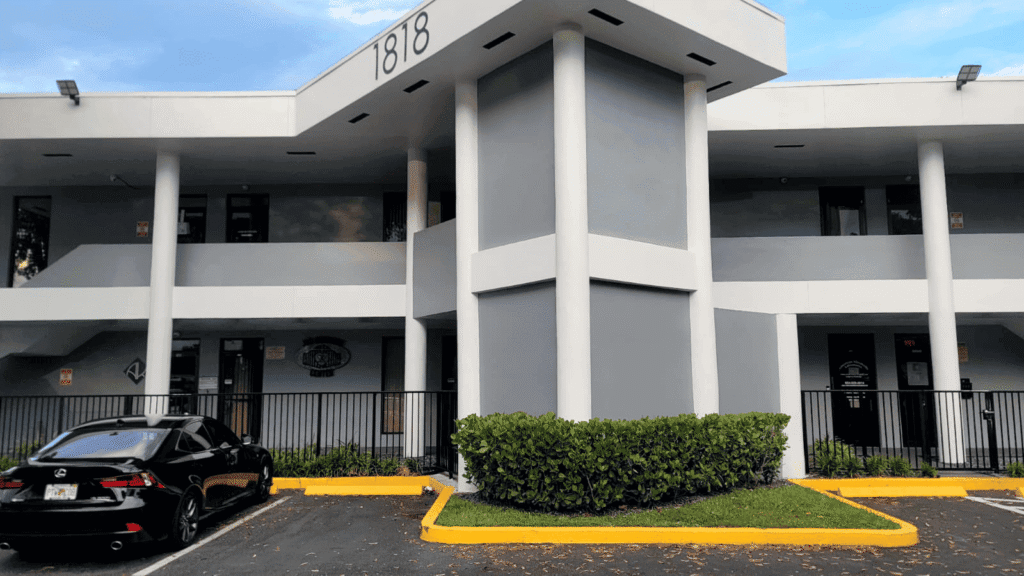
JC’s treatment takes place at 1818 Sheridan Street in Hollywood, Florida. A petition or court order does not automatically guarantee admission to our center. The required services, clinical fit, program availability and payment arrangements must be reviewed first.
If someone is in immediate medical danger or there is an emergency, call 911. Do not wait for a petition or an admissions callback.
Planning the Next Step
The court and qualified professionals determine the legal and clinical requirements. Use current county instructions and get advice specific to your circumstances.
Ask the appropriate county clerk which court has jurisdiction, which forms to use and how to submit them. A Florida attorney can explain your legal options.
Broward Court ResourcesGather specific observations, prior assessment or treatment information, and any existing court documents. Filing a petition requests review; it is not an automatic rehab admission.
Miami-Dade Court ResourcesDiscuss the provider, level of care, court requirements, availability, costs and transportation with the appropriate professionals before assuming a placement is available.
Talk With Our TeamCourt-related costs and treatment charges are separate. Our team can review JC’s program costs and help you check insurance benefits.
A court order does not establish insurance coverage or guarantee payment or admission.Treatment at JC
The appropriate level of care depends on assessment and any court requirements. Availability of a program does not mean it satisfies every order.
Learn about JC’s partial hospitalization program and discuss whether its level of support fits the recommended care.
Explore PHPExplore intensive outpatient care and ask admissions about program expectations and clinical fit.
Explore IOPUnderstand JC’s outpatient services and how they may fit into an appropriate continuing treatment plan.
Explore Outpatient CareQuestions Families Ask
General educational information, not legal advice or a determination that someone qualifies for involuntary services. A Florida attorney can advise you about a specific case.
Florida law requires more than a person refusing rehab. Under section 397.675, Florida Statutes, there must be a good-faith basis for the required substance-related impairment or disorder and loss of self-control, together with additional qualifying circumstances. These involve impaired capacity to recognize the need for care and make a rational decision, or specified risks of serious neglect or physical harm.
The statute expressly says that refusal of services alone does not establish impaired judgment. Whether the full criteria apply depends on the facts and the legal process. Describe what you have directly observed rather than trying to diagnose the person yourself.
For an adult, current section 397.68112 lists a spouse, legal guardian, relative or service provider, as well as an adult with direct personal knowledge of the person’s impairment and prior assessment and treatment. For a minor, it lists a parent, legal guardian or service provider. Confirm the applicable requirements and current forms with the relevant court or a Florida attorney.
Use current official instructions. Older online packets and articles may describe an earlier version of the law, so an old checklist should not be your only source.
The petition requirements are described in section 397.68141. Official county resources below can help you find the relevant local instructions; a lawyer can explain how the law applies to your circumstances.
An assessment evaluates the person’s needs. Stabilization addresses the immediate substance-related condition. Treatment is the care recommended or ordered after the relevant evaluation and legal decisions. These steps should not be treated as a promise of admission to a particular rehab program. The DCF overview explains the services covered by the Act.
Under section 397.697, a court may order involuntary treatment for a period of up to 90 days when the required conditions are proved. This is not a guaranteed stay of 90 days: the law addresses release when the conditions no longer exist and possible renewal when they are expected to continue. Outpatient orders have additional requirements; the court and qualified professionals determine an appropriate arrangement.
The Marchman Act concerns substance abuse services. The Baker Act is Florida’s mental health law addressing crisis services and involuntary examination when its criteria are met. A person may have both substance use and mental health concerns, so the two processes should not be chosen solely by comparing a symptom list online. Consult qualified professionals about the situation. Read the official DCF Baker Act overview and Marchman Act overview.
Court-related costs and treatment costs are separate questions. Broward’s clerk currently lists no fees or court costs for Marchman Act petitions; ask the relevant clerk about any charges for your situation. That does not make clinical care free. Confirm treatment charges, insurance benefits, authorization requirements and any private payment arrangements with the provider. A court order does not by itself establish insurance coverage or guarantee payment. Broward fee information and section 397.697 provide additional context.
Refusing care alone is not enough to establish impaired judgment under the statute. The other legal criteria must also be considered. Read section 397.675 and seek case-specific legal guidance.
Yes. Florida’s Marchman Act addresses substance abuse services involving alcohol and other drugs. See the DCF overview.
No. A petition requests court action. Judicial review, clinical assessment and any resulting orders determine the next steps. The requirements depend on the circumstances; see the petition statute.
Florida law provides for involuntary outpatient treatment when its specific conditions are met. The availability of IOP or outpatient services at a center does not by itself establish eligibility for that arrangement. Review section 397.697 with the appropriate professionals.
Yes. JC accepts court-ordered clients when the treatment needs and court requirements are appropriate for the services available at our Hollywood center. Admissions must review the circumstances, clinical fit and availability before placement is confirmed. A court order does not automatically guarantee admission.
Yes. Our team helps families coordinate with outside assessment providers and legal services while explaining JC’s treatment options. A Florida attorney provides legal advice and representation; the appropriate court and qualified professionals determine legal and clinical requirements.
The Marchman Act includes voluntary services as well as involuntary services. You can ask a treatment provider about assessment and available care. A clinician or attorney can help address questions specific to safety, consent and any existing court order. See DCF’s explanation.
Take the Next Step
Speak with JC’s admissions team about treatment at our Hollywood center, what a current court order requires, and the next steps to explore.
Call Admissions: (844) 524-6873